As a reader, there is nothing quite like the thrilling, terrifying gamble of a book-to-screen adaptation. We all know that pure rush of excitement when you can finally put a face to a beloved character, or the absolute bonus of seeing an actor you adore bring those complex, page-bound emotions to life. But let’s be honest: what non-readers don’t understand is that for us, this process is an absolute hit-or-miss. In most cases, adaptations fall painfully short, and that bitter disappointment can actually make you resent your favorite books.
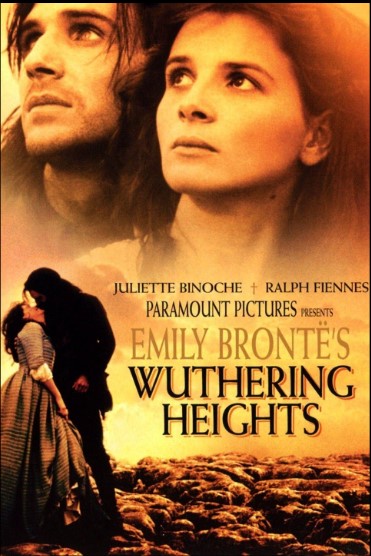
So when I heard about the 2026 adaptation of Wuthering Heights, directed by Emerald Fennell, starring Margot Robbie as Catherine and Jacob Elordi as Heathcliff — I was scared. Still am, actually, because I haven’t watched it yet. Being the coward that I am, I did some research first. That’s when I discovered a version that people actually loved — the 1992 adaptation, directed by Peter Kosminsky, written by Anne Devlin, and starring Ralph Fiennes and Juliette Binoche. And ladies and gentlemen? I was not disappointed.
A Gothic Atmosphere True to Emily Brontë’s Vision. The 1992 film captures everything you imagine while turning the pages of Emily Brontë’s 1847 masterpiece. The environment feels entirely authentic to the text—bleak, windswept, and hauntingly beautiful. The director and production team kept absolute faith with the gloomy mansions and the strict, stark Victorian styles of the era, trapping the characters in a visual prison that mirrors their internal minds.
Perfect Casting: Ralph Fiennes’ Feral Heathcliff & Binoche’s Lively Cathy; The true triumph of this adaptation lies squarely on the shoulders of its exceptional lead actors, and Ralph Fiennes portrayed exactly the kind of Heathcliff I had in my head (and no, I’m not going to step into that debate about his skin color or ethnicity). He was brooding, the silent type with few words, and yes — his eyes were cold. It’s the fierceness when he spoke, that mysterious aura around him. You just could not pin down whether he was a good guy or not. Juliette Binoche (Catherine Earnshaw & Cathy Linton): Binoche tackles a massive feat by playing two entirely different generations of women. As the elder Catherine, she is perfectly lively, a little mischievous, and constantly laughing. Yet, she balances this by executing a completely separate, distinct persona for Catherine’s headstrong daughter.
Big credit to director Peter Kosminsky too. I loved how he connected the timelines, showing the contrast between young Heathcliff and old Heathcliff. And they stayed true to that grim, decaying mansion and the authentic Victorian style throughout.
An Unflinching Look at Toxic Obsession vs. Fascinating Love: Wuthering Heights is rarely a traditional, heartwarming romance, and this adaptation honors that dark truth. What Heathcliff harbors is a consuming, destructive obsession, while Catherine’s feelings operate more as a profound, tragic fascination. Director Peter Kosminsky refuses to whitewash Heathcliff’s monstrous behavior or offer cheap excuses for the horrific things he commits. This leaves the audience stranded in a brilliant, uncomfortable moral gray zone: you are left entirely unsure whether to pity his profound trauma or despise his cruelty.
Conversely, watching Catherine’s steady descent is deeply devastating. Seeing a person who used to laugh so much slowly lose herself to severe depression is heartbreaking. She is forced to watch the man she burns for systematically destroy the stable man she actually loves, leaving her to face a deathbed crushed by immense guilt and harrowing regret.
The Second Generation and the Shock of History; While the second-generation storyline didn’t leave an incredibly deep impression on me, it remained entirely solid and structurally necessary. Little Catherine proved she inherited her mother’s fierce backbone and untamed spirit—she is a true fighter. On a historical note, watching this portion of the story did highlight a jarring historical reality: old English cousins regularly married one another to protect family estates, which definitely leaves a modern viewer a bit shocked!
Final Verdict: A Must-Watch for Book Lovers; to all my fellow novel lovers who haven’t seen the 1992 adaptation yet: you should definitely watch it. The fact that it’s an older classic actually adds a layer of authenticity that modern adaptations sometimes lose. It feels grounded in the era. It stands as a masterclass in how to honor the bleak soul of classic literature.
Next on my list? The Japanese adaptation (Arashi ga Oka, 1988). I’ve heard it has some solid reviews — let’s see how that one holds up.