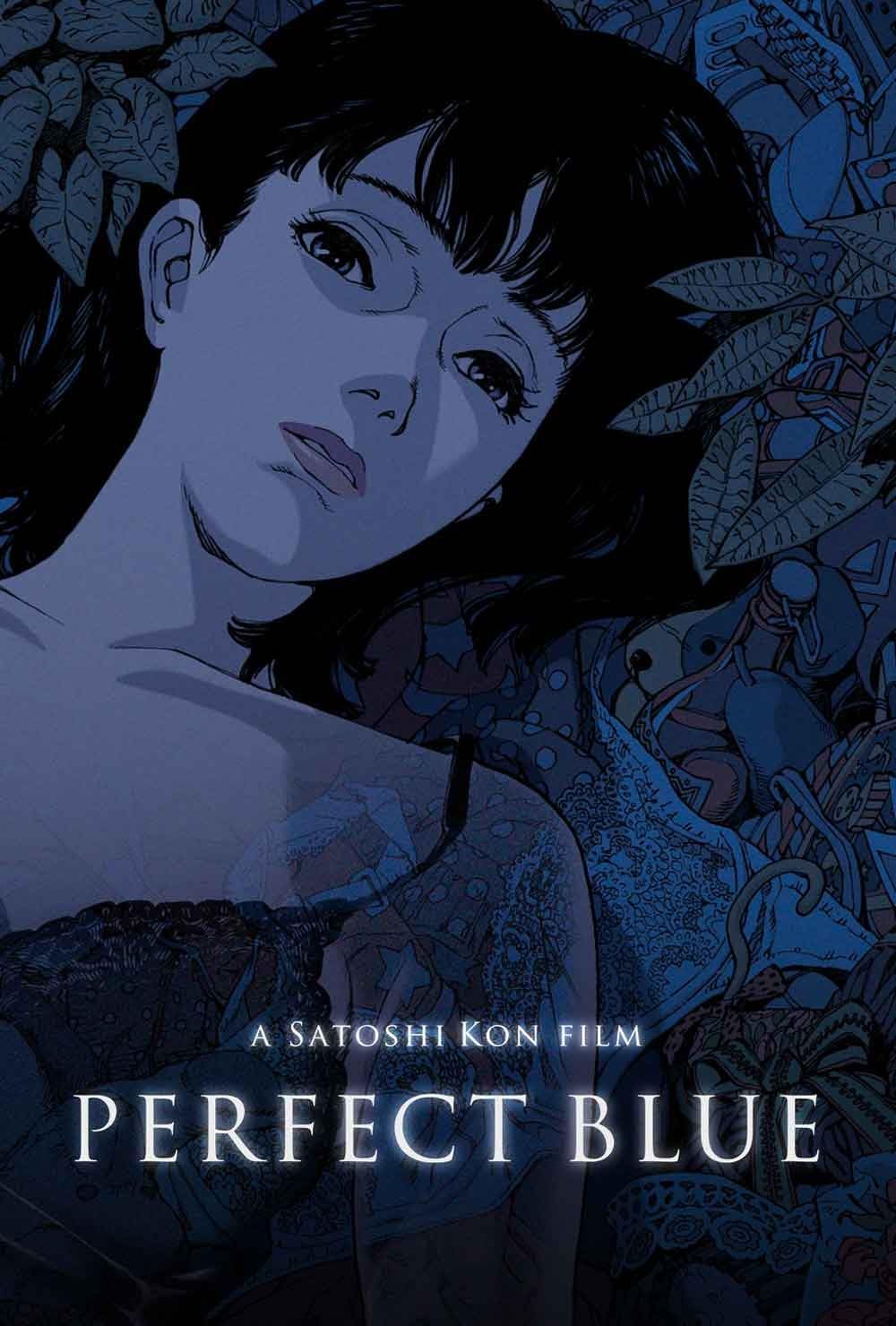
There are movies you watch, and then there are movies that watch you right back—the ones that burrow into your brain and set up camp. For me, that film is Perfect Blue. It was my first-ever anime film, a recommendation from a random guy on Reddit who probably has no idea he changed my cinematic life. If you’re reading this, random Redditor, thank you. You said Perfect Blue is the best start, and it was. This is for you. Perfect Blue is a Japanese anime film released in 1997, directed by Satoshi Kon and written by Sadayuki Murai, based on the novel by Yoshikazu Takeuchi. And honestly? This film doesn’t just tell a story—it plays with your mind.
A Pop Idol’s Descent into Madness. The film follows Mima Kirigoe (voiced by Junko Iwao), the bubbly lead singer of a J-pop idol group called CHAM!, who decides to quit singing to pursue a career as a full-time actress. But her dream quickly turns into a nightmare. Mima lands a minor role in a crime drama called Double Bind, but to stay relevant, she’s forced to film a brutal rape scene and pose for a nude photoshoot. As her “pure” idol image shatters, an obsessed stalker named “Me-Mania” begins following her every move. To make matters worse, a website called “Mima’s Room” pops up online, detailing her personal life with frightening accuracy, written by someone pretending to be her. Let me tell you: I kept guessing until the very end. And I still have my own suspicions and doubts. The fact that it stays with you. That makes you want to argue, debate, and rewatch just to catch what you missed. Perfect Blue doesn’t hand you answers—it forces you to sit with the discomfort.
A Brutal Love Letter to the Realities of Asian Idol Culture; As someone who consumes a lot of Asian cinema, I know all about the idol industry. Perfect Blue shows that the exploitation and objectification of young women is nothing new. The film captures the pressure of always trying to make a name for yourself, the crushing weight of society’s expectations, and how brutally hard it is to break free from an “idol image.“ It is a scathing critique of an industry that commodifies innocence and discards what it cannot control. Asian idols are often packaged as perfect, especially for younger audiences. So Mima stepping into more mature acting roles is a massive shift—and probably one of the reasons her mind starts to fracture. I loved and pitied Mima. She was willing to do anything to succeed. She didn’t expect anything to be handed to her just because she had a little fame. But she also wasn’t stupid or naive—she knew she was being exploited. She was just trying to take whatever was available, working hard until she could finally have the power to decide her own fate. That struggle? It felt real.
A Thank You to the Director, I want to say thank you to Satoshi Kon. I am a blunt person and I hate sugar-coating. So it’s always a win when I watch movies with scenes that don’t hide. If you decide to actually show a brutal scene, please make it brutal. Otherwise, keep it off-screen and just show the after-effects. I won’t sugarcoat it—and I’m glad the film doesn’t either. That assault scene is deeply uncomfortable and traumatizing—and it’s supposed to be. What makes it even worse is the context: multiple takes, performance pressure, and the emotional toll on Mima. It’s not there for shock value—it’s there to make you feel the weight of what she’s going through. It’s a scene that has sparked significant debate among viewers, but for me, its unflinching nature is what makes it so effective. It forces you to confront the horror head-on. And to think the actress had to film multiple takes of that… poor girl.
Direction & Visual Storytelling
Perfect Blue is a labyrinth. The writer uses the doppelgänger game to confuse us, the viewers, and Mima herself. Imagine reading about your own life updates as an outsider—someone who knows your full schedule, what you eat, who you talked to, what annoyed you. At first, it’s all fun and games, until the online “you” starts lying. Then, the director plays mind games with you. He throws out all these hints pointing left, but at the very end, he turns around and says, “Nah, actually, it was right all along.” This is exactly why Perfect Blue holds the respect it does. The camera angles, the random clues, the way reality and fantasy bleed into each other—it keeps your attention locked until the final frame. Left becomes right. Reality becomes illusion. You stop trusting what you see. All this confuses both the audience and Mima herself. And that’s the genius of it.
Why Perfect Blue Still Holds Up
This is exactly why Perfect Blue is still respected today; It challenges the viewer, it doesn’t explain everything, it reflects real societal issues, It blends psychological horror with reality, and most importantly—it lingers. I have a lot more to say, but spoilers, man. So do yourself a favor—watch this classic, especially for psychological thriller fans, new to anime, and yes, it’s a good rewatch for veterans.