There’s a quiet realization that hits you when watching certain documentaries: some of the best acting you’ll ever see doesn’t happen in traditional films—it happens in reenactments. That thought struck me while watching Clark Gregg portray Dr. Bruce Ivins, the scientist at the center of the 2001 anthrax attacks investigation. Gregg, widely known for his roles in mainstream cinema, delivers something subtler here—something that blurs the line between performance and interpretation. It’s not just acting; it’s an attempt to inhabit uncertainty. And that’s exactly what makes documentaries like this so compelling.
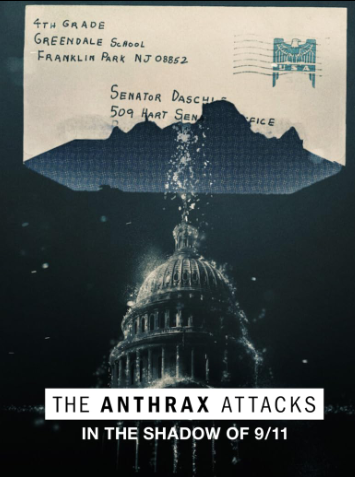
The Anthrax Attacks: A Nation Already on Edge; Shortly after the September 11 attacks in 2001, the United States was hit again—this time in a quieter, more insidious way. Letters containing anthrax spores were mailed to media offices and U.S. senators, killing five people and infecting many others. The timing amplified the fear. The country was already traumatized, and now it faced an invisible biological threat. The investigation eventually focused on Dr. Bruce Ivins, a biodefense researcher. Authorities concluded he was responsible—but the case remains controversial. Was he truly guilty, or was he a convenient conclusion in a time of national panic? That ambiguity is what fuels the documentary. It doesn’t just present facts; it invites doubt.
Documentaries and the Art of “Real” Performance; What makes documentaries like this stand out isn’t just the subject matter—it’s how they’re told. Actors like Clark Gregg don’t have the luxury of fictional freedom. They’re portraying real people, often with incomplete or disputed narratives. The performance becomes less about dramatization and more about interpretation. And as a viewer, you’re constantly asking: Is this what really happened? Is this who this person really was? Or is this just one version of the truth?
The story of the anthrax attacks isn’t just about bioterrorism—it’s about uncertainty, perception, and how stories are constructed in moments of crisis. And sometimes, the most powerful performances aren’t about convincing you of a truth—they’re about making you question it.